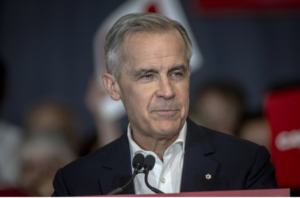
Canada’s Foreign Policy Under the Current Prime Minister
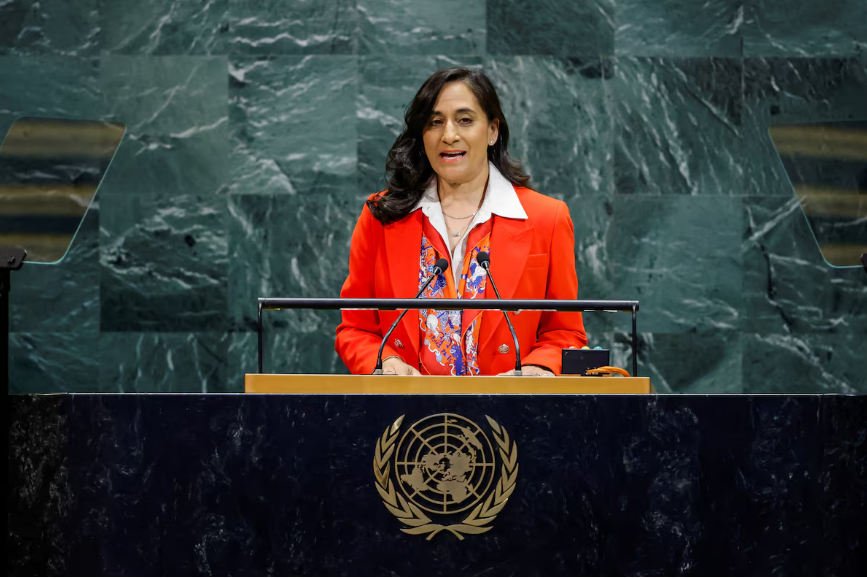
Canada’s foreign policy under the current prime minister has focused on strengthening international alliances, promoting democratic values, and responding to global economic and security challenges. As global tensions rise and geopolitical dynamics shift, Canada’s role on the world stage continues to evolve through diplomacy, trade, and strategic cooperation.
Focus on Multilateralism and Global Partnerships
A key pillar of Canada’s foreign policy has been a strong commitment to multilateralism. The government has emphasized cooperation with international organizations and long-standing allies to address global challenges such as climate change, economic instability, and security threats. Canada continues to support international institutions and collective decision-making as a way to maintain global stability.
Relationship With the United States
The relationship with the United States remains central to Canada’s foreign policy. Economic integration, trade cooperation, and border security are top priorities, given the deep economic ties between the two countries. Diplomatic efforts have focused on maintaining stable relations while protecting Canadian economic and political interests.
Trade Policy and Economic Diplomacy
Trade diversification has been an important objective under the current leadership. Canada has sought to expand trade partnerships beyond North America, strengthening economic ties with Europe, Asia, and the Indo-Pacific region. These efforts aim to reduce dependence on a single market and support long-term economic growth.
Approach to Global Security and Defense
Canada’s foreign policy has placed increased emphasis on global security and defense cooperation. The government has supported international peacekeeping efforts, military alliances, and strategic commitments to collective security. These policies reflect Canada’s role as a middle power contributing to global stability.
Climate Change and International Commitments
Climate action has become a defining element of Canada’s global engagement. The government has aligned foreign policy objectives with environmental commitments, supporting international climate agreements and promoting clean energy cooperation. Climate diplomacy is increasingly integrated into Canada’s broader international strategy.
Challenges and Criticism
Despite these efforts, Canada’s foreign policy has faced criticism related to trade disputes, global influence, and responses to international conflicts. Balancing domestic priorities with international responsibilities remains an ongoing challenge, particularly in a rapidly changing global environment.
Conclusion
Canada’s foreign policy under the current prime minister reflects an emphasis on cooperation, economic diplomacy, and global responsibility. As international conditions continue to change, the effectiveness of these policies will shape Canada’s influence abroad and its ability to protect national interests while contributing to global stability.