Bank of Canada Holds Interest Rates as Economy Shows Strength
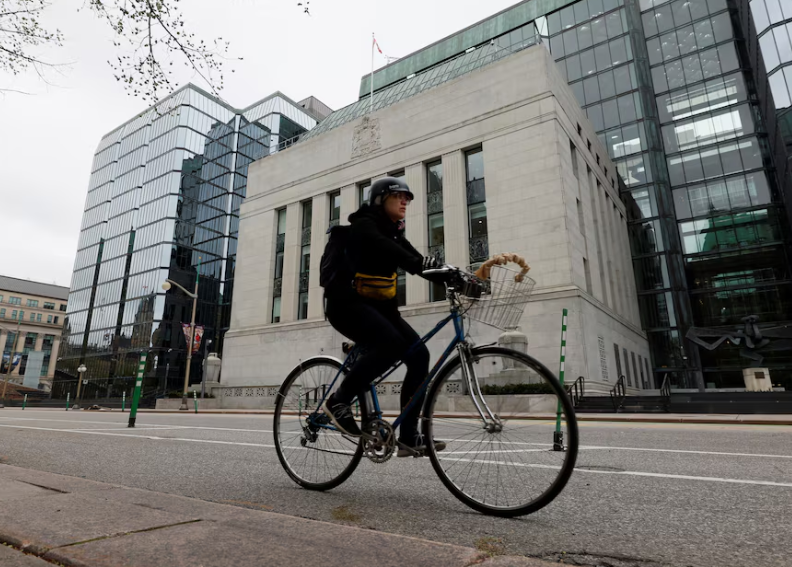
OTTAWA — The Bank of Canada announced that it will keep its key interest rate unchanged, citing signs of economic resilience and stable inflation trends across the country. The decision comes as analysts forecast a slower pace of global growth heading into 2026 but say Canada’s economy continues to perform better than expected.
Central Bank Maintains Current Rate
In its December statement, the Bank of Canada said it would maintain the benchmark interest rate at 5.00%, a level it has held since mid-2024. Policymakers noted that while inflation remains slightly above the 2% target, consumer spending and job growth have stabilized, suggesting the economy is adapting well to higher borrowing costs.
Governor Tiff Macklem said that the central bank’s decision reflects “a balance between managing inflation and supporting a soft landing for the Canadian economy.”
Inflation Pressure Eases but Risks Remain
The central bank’s report showed that inflation has eased from its peak in previous years, largely due to lower energy costs and improved supply chain conditions. However, officials cautioned that rising housing prices and service-sector costs remain areas of concern.
Economists said the Bank of Canada’s decision to hold rates reflects growing confidence that the country can control inflation without triggering a recession. The next rate adjustment will depend on upcoming data on wages, consumer prices, and global demand.
Economic Growth Outpaces Expectations
Recent data indicate that Canada’s economy has grown modestly but steadily, driven by strong labor market performance and consumer demand. The central bank expects growth to remain around 1.5% in early 2026, supported by business investment and exports.
Financial markets responded positively to the rate hold, with the Canadian dollar strengthening slightly against the U.S. dollar following the announcement. Investors interpreted the decision as a sign that the Bank of Canada is nearing the end of its tightening cycle.
Global Context and Outlook
The Bank of Canada’s decision comes as major central banks, including the U.S. Federal Reserve and the European Central Bank, also signal a pause in rate hikes. With inflation cooling globally, policymakers are focusing on long-term stability rather than further aggressive tightening.
Analysts believe the Bank of Canada’s next move could be a gradual rate cut later in 2026 if inflation continues to decline and the job market remains strong.