Justin Trudeau’s Leadership: Achievements, Criticism, and What’s Next
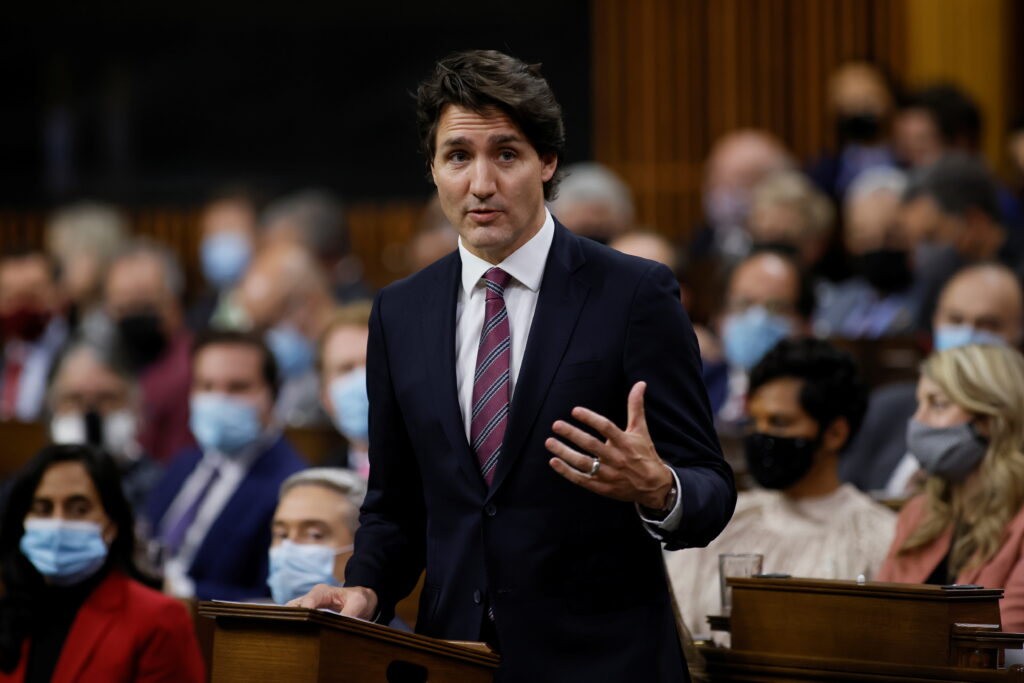
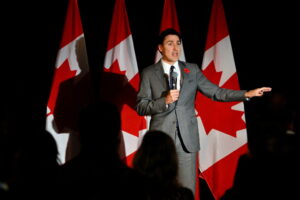
Canada's Prime Minister Justin Trudeau speaks after Liberal Member of Parliament Anthony Rota was re-elected as Speaker of the House of Commons on Parliament Hill in Ottawa, Ontario, Canada November 22, 2021. REUTERS/Blair Gable
Justin Trudeau has been a central figure in Canadian politics since becoming the leader of the Liberal Party and the 23rd Prime Minister of Canada in 2015. His tenure has been marked by significant accomplishments, high-profile controversies, and a mix of public support and criticism. Understanding Trudeau’s leadership requires looking at both his achievements and the challenges he faces moving forward.
Achievements Under Trudeau
1. Climate Change Initiatives
Trudeau’s government has made climate change a key priority. Programs such as carbon pricing, investments in renewable energy, and international climate commitments aim to reduce Canada’s greenhouse gas emissions and promote sustainable growth.
2. Social Policies and Inclusivity
Trudeau’s leadership is known for promoting diversity and inclusion. Policies supporting gender equality, Indigenous reconciliation efforts, and support for marginalized communities have strengthened Canada’s social fabric.

3. Economic Growth and Pandemic Response
During his tenure, Canada has seen economic growth and recovery initiatives. Trudeau’s government provided substantial fiscal support during the COVID-19 pandemic, including emergency benefits, wage subsidies, and support for businesses, helping to stabilize the economy during a global crisis.
4. International Presence
Trudeau has strengthened Canada’s international relationships, promoting trade agreements such as the updated Canada-United States-Mexico Agreement (CUSMA) and engaging in global diplomacy on issues like human rights and climate policy.
Criticism and Controversies
1. Ethics and Accountability Concerns
Trudeau has faced scrutiny over ethics, including high-profile political controversies that raised questions about accountability and transparency.
2. Handling of Indigenous Issues
While some progress has been made, critics argue that Trudeau’s government has been slow in addressing certain Indigenous concerns, including land rights and access to clean water in some communities.
3. Economic Challenges
Despite fiscal stimulus measures, critics point to rising inflation, housing affordability issues, and the growing national debt as ongoing economic challenges during Trudeau’s tenure.
4. Political Polarization
Trudeau’s policies and decisions have occasionally deepened political divisions in Canada, with opponents accusing him of favoritism or overreach on certain issues.
What’s Next for Trudeau
As Canada heads toward future elections, Trudeau faces the dual challenge of maintaining public support while addressing unresolved domestic and international issues. Key priorities will likely include:
- Addressing housing affordability and economic inequality.
- Accelerating climate action and energy transition.
- Strengthening Indigenous reconciliation efforts.
- Navigating foreign relations and trade challenges.
Trudeau’s ability to balance achievements with criticisms will shape his political legacy and Canada’s trajectory in the coming years.