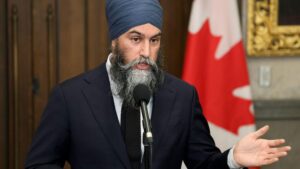
Canada PM vs Provincial Premiers: Who Has More Power?
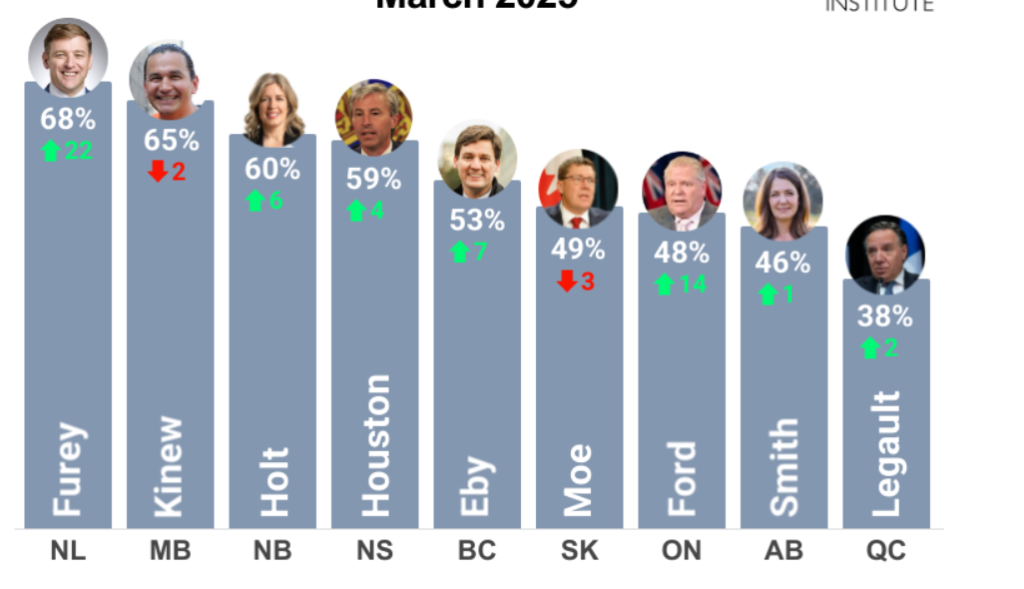
Canada’s political system often raises an important question: who holds more power—the Prime Minister or the provincial premiers? While the Prime Minister leads the federal government, provincial premiers exercise significant authority within their own jurisdictions. Understanding how power is divided helps explain how Canada’s political system actually works.
Role of the Prime Minister
The Prime Minister is the head of the federal government and holds authority over national matters. This includes foreign policy, national defense, immigration policy, federal taxation, and international trade. The Prime Minister also appoints cabinet ministers, senators, and key officials, shaping national policy and legislative priorities across the country.
Powers of Provincial Premiers
Provincial premiers lead their respective provincial governments and have control over areas that directly affect daily life. These powers include healthcare administration, education systems, natural resources, provincial taxation, and infrastructure development. Premiers have substantial independence and are not subordinate to the Prime Minister in their constitutional areas of responsibility.
Division of Powers Under the Constitution
Canada’s Constitution clearly divides powers between the federal and provincial governments. The federal government handles issues of national and international importance, while provinces manage regional and local matters. This division means neither level of government can override the other in areas where they have exclusive authority.
Influence and Political Reality
In practice, power often depends on the issue at hand. During national emergencies, economic crises, or international negotiations, the Prime Minister tends to have greater influence. However, on issues such as healthcare, education, and housing, provincial premiers often hold more practical power and public visibility.
Intergovernmental Cooperation and Conflict
Federal–provincial relations are a key feature of Canadian politics. Cooperation is required on shared priorities such as climate policy, immigration settlement, and infrastructure funding. At times, disagreements arise over funding, jurisdiction, and policy direction, leading to political tension between Ottawa and the provinces.
Conclusion
The question of who has more power in Canada does not have a simple answer. The Prime Minister holds significant authority at the national level, while provincial premiers exercise strong control within their provinces. Canada’s system is designed to balance power between federal leadership and provincial autonomy, ensuring that both levels play critical roles in governing the country.