Canada Prime Minister Powers Explained: What Can the PM Really Do?
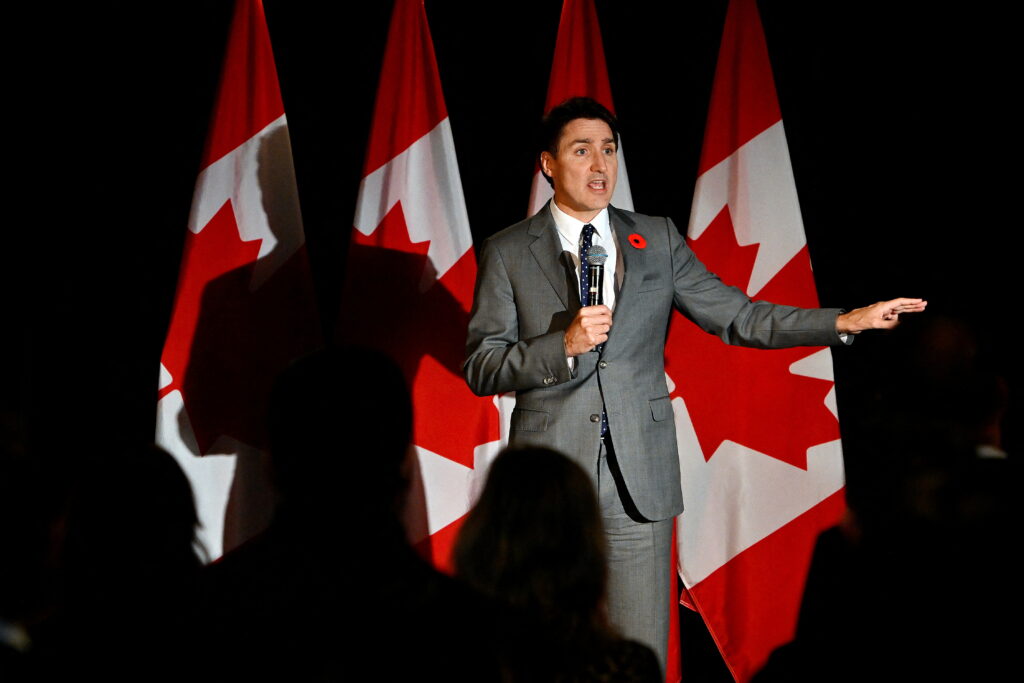
Canada’s Prime Minister Justin Trudeau gives remarks at a fundraiser at the Fairmont Hotel in Vancouver, British Columbia, Canada November 8, 2024. REUTERS/Jennifer Gauthier
The Prime Minister (PM) of Canada holds one of the most influential positions in the country’s government. While Canadians often hear about the PM in the news, many are curious about the actual powers and responsibilities associated with the role. Understanding these powers provides insight into how Canada’s political system works and how decisions that affect millions are made.
Executive Powers of the Prime Minister
The PM is the head of government in Canada and exercises executive authority, primarily by:
- Leading the Cabinet
The Prime Minister selects cabinet ministers, assigns their portfolios, and sets government priorities. The cabinet, guided by the PM, plays a central role in shaping policies, passing laws, and running government departments. - Policy Direction and Decision-Making
The PM has significant influence over national policies, from economic planning and healthcare to foreign affairs and defense. They guide legislation and ensure the government’s agenda aligns with their party’s platform. - Advising the Governor General
The PM advises the Governor General on key decisions, such as appointing senators, judges, and other officials. While the Governor General formally approves these actions, the PM’s advice is typically decisive. - Representing Canada Internationally
The PM represents Canada on the global stage, negotiating trade deals, attending summits, and managing diplomatic relations with other countries.
Legislative Influence
While Canada’s Parliament makes laws, the Prime Minister wields considerable influence over the legislative process by:
- Controlling the government’s legislative agenda in the House of Commons.
- Advising cabinet ministers on which bills to propose or support.
- Using party leadership to ensure MPs vote according to government priorities.
Limitations of the Prime Minister
Despite broad powers, the PM is not all-powerful. Limitations include:
- Parliamentary Accountability: The PM must maintain the confidence of the House of Commons. If they lose support, the government can face a vote of no confidence.
- Judicial Oversight: Courts can strike down policies or actions that violate the constitution or laws.
- Party and Public Pressure: The PM’s decisions are influenced by political parties, public opinion, and media scrutiny.
Conclusion
The Prime Minister of Canada holds a powerful position, shaping national policies, leading the cabinet, and representing the country internationally. However, their authority is balanced by Parliament, the judiciary, and democratic norms. Understanding these powers helps Canadians see how their government operates and the limits of executive authority in a democratic system.