Housing Crisis in Canada: Economic Reasons Behind Rising Prices
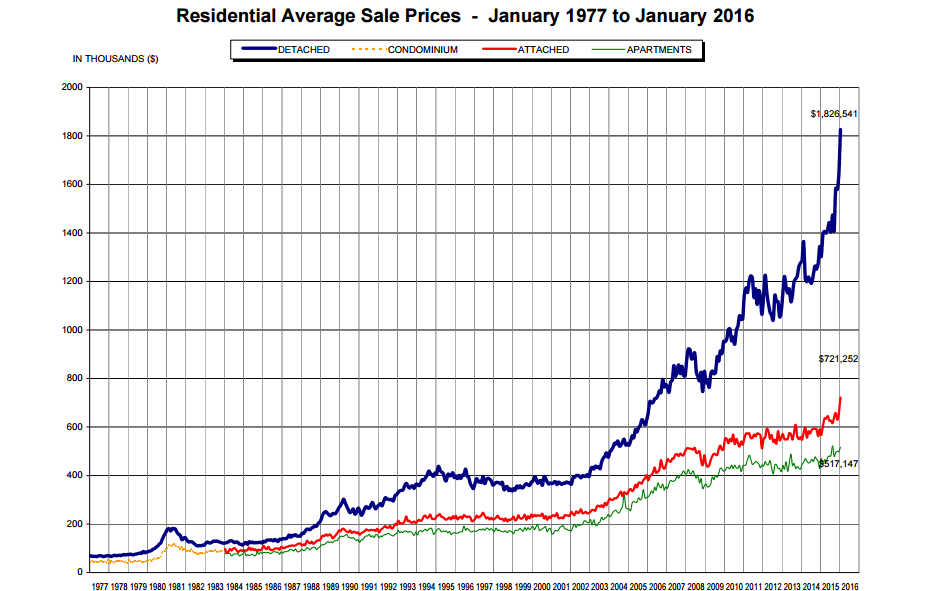
Canada is facing one of the most serious housing affordability crises in its history. Home prices and rents have surged far faster than incomes, making it increasingly difficult for first-time buyers and renters to find affordable housing. This crisis is not the result of a single factor but a combination of economic forces that have reshaped the housing market over the past decade.
1. Supply Shortages and Slow Construction
One of the biggest drivers of rising housing prices in Canada is a lack of supply. Population growth has outpaced new housing construction, especially in major cities like Toronto and Vancouver. High land costs, zoning restrictions, and lengthy approval processes slow down development, creating a gap between demand and available homes.
2. Rapid Population Growth and Immigration
Canada welcomes a large number of immigrants each year, which strengthens the economy but also increases housing demand. Most newcomers settle in urban centers where jobs and services are concentrated. This puts additional pressure on already tight housing markets, pushing prices and rents even higher.
3. Low Interest Rates and Easy Credit (Past Impact)
For many years, historically low interest rates made borrowing cheaper. This encouraged buyers to take on larger mortgages, driving up home prices. Investors also entered the market, viewing real estate as a safe and profitable asset. Although interest rates have risen recently, the price increases from earlier years still affect today’s market.
4. Investor Activity and Speculation
Real estate has become a popular investment in Canada. Domestic and foreign investors often buy multiple properties, reducing the number of homes available for people who want to live in them. Speculation—buying homes to resell at higher prices—has further inflated housing values in key markets.
5. Rising Construction and Labor Costs
The cost of building homes has increased significantly. Higher prices for materials, labor shortages, and stricter building standards all add to construction expenses. Developers pass these costs on to buyers and renters, contributing to higher overall housing prices.
6. Wage Growth Lagging Behind Housing Costs
While housing prices have risen rapidly, wages have not kept pace. This imbalance has reduced purchasing power for many Canadians, making homeownership unattainable for a growing portion of the population and increasing long-term rental demand.
Conclusion
The housing crisis in Canada is driven by a complex mix of economic factors, including supply shortages, population growth, investor activity, and rising construction costs. Addressing the issue will require coordinated efforts from federal, provincial, and local governments—focusing on faster housing approvals, increased construction, and policies that balance investment with affordability. Without meaningful action, housing affordability will remain a major challenge for Canada’s economy and its people.